Shared Situation? Try This!

You probably have some shared situations with friends, family, coworkers, neighbors or others. This video shows you how to access and start using the Shared Situation Guide on your desktop or mobile. Your shared situation can be whatever your group is dealing with or considering. A shared situation might be a problem, challenge, opportunity, place, set of circumstances, something you’re managing or working on together, and so on. With smartphones, we have new possibilities. For more, see http://ss.proxthink.com.

Progress on Proxearth Site

I spent a bit of time over the past few days thinking about and roughing out a new version of the Proxearth site. It will implement some aspects of the Proxearth climate change proposal and project, which uses the sustainable proximities approach and the ProxThink growth model, among other things.

One thing that will be moderately cool is you’ll be able to tweet from the site and have it add the Proxearth hashtags for you. And, view streams of tweets with those hashtags.

I also realized something I had written previously makes a pretty good tagline: “If sustainability doesn’t excite you, perhaps variety will.” And, I mapped the proxearth.org domain to the site.

Description of Upcoming Workshop on Sustainable Variety

Here’s my current description of an upcoming workshop on sustainable variety. I’m thinking of calling it the Get More Sustainable Variety Workshop. I’ll let you know when things are more finalized and you can sign up!

Why Sign Up —
You may share a situation with some friends, family, co-workers, neighbors or others. Your shared situation is whatever your group is dealing with or considering. With smartphones, we have new possibilities. This hands-on workshop will show you how to combine the Quip mobile app and the sustainable proximities approach, helping you collaborate better to improve shared situations. Doing so can lead to greater sustainable variety, since keeping the proximity alive is boosted by variety. Not only that, this approach gives people chances to relate to the proximity in a wider variety of ways. We’ll use examples most people can adapt to their own lives, and collaborate on some real world situations too. You’ll try things and can ask questions as we go. If you can’t join us in person, you can join us online!

Process Graphic Helps People with Shared Situations Use the ProxThink Growth Model

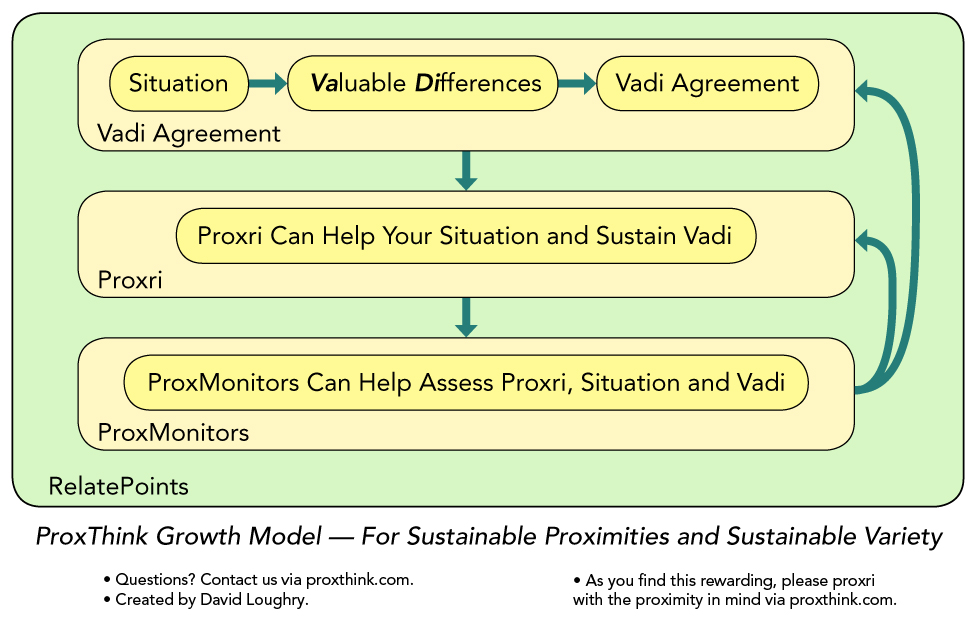
Do you and some other people have a shared situation you face together? Your shared situation can be whatever you are dealing with or considering. This graphic shows a process you can use, by starting at the top left and following the arrows (see 7-step overview below). The graphic leverages the ProxThink Growth Model, which makes the proximity more of a tangible thing. As a result, people can better relate to the proximity of their shared situation, which can help them deal with it. This can also help create more sustainable proximities and sustainable variety. You can click the graphic for an enlarged view.

Here’s a very brief 7-step overview of using the graphic.

  1. Adopt one or more RelatePoints for your shared collaboration. I like the Quip app.
  2. Consider and define your shared situation.
  3. Decide what valuable differences you are attempting to create, adapt and/or maintain.
  4. Create at least a simple Vadi Agreement.
  5. Consider needed or wanted proxri which can help your situation and sustain your valuable differences, and then proxri as appropriate. ProxPatterns may be helpful in considering needed or wanted proxri. Note that proxri can take many forms, including money, things, services, ideas, tasks, relationships, actions, and so on, as well as a combination of these.
  6. Create, adapt and/or maintain ProxMonitors.
  7. Use ProxMonitors to assess and reassess your proxri, situation, valuable differences and Vadi Agreement, looping back through steps as shown to make adjustments as needed.

I’ll provide a longer 7-step description of the graphic later. Or, perhaps I’ll make a stretched version with more details and definitions. However, if you click through to the definitions, I think you should be able to use the brief overview above. I’m also working on some Quip templates with brief descriptions to use with the graphic, which I hope to present in workshops presented in-person and online. But I wanted to get this out there now in case I get run over by a bus or something! You can find more about the growth model here and proximity thinking here.

A little about the development of this graphic: I had been working on some new examples to demonstrate the ProxThink Growth Model, as part of making a template for people to use with the Quip app. While doing that, I was also trying to better involve other parts of proximity thinking in an integrated way, which led to this graphic and some new insights, four of which are: 1.) It made me realize how considering a situation and creating a Vadi Agreement are related. 2.) It also made me realize that developing ideas for a situation can be proxri. 3.) And it made me look again at how the process of using the four growth model processes are related. One result is this new graphic. On the ProxThink site, I had presented the four processes in the order I thought they were easiest to learn. But this graphic shows it may be better to use them in a different order. 4.) I also realized that one person can use the growth model on their own!

Questions? Contact us via proxthink.com.

As you find this rewarding, please proxri with the proximity in mind via proxthink.com.

No Fill Marks? … New video intro to previous post about my French press.

In a previous post, I talked about my French press coffee maker which has no fill level marks to help me add water to the same place every time. This short video introduces that post, and shows you my current French press. It is for people who own French press coffee makers AS WELL AS designers and anyone interested in innovation and creativity. It also shows the mind map you can explore while learning some proximity thinking at the same time!

Hacking IKEA — Repurposing an IKEA Ice Tray

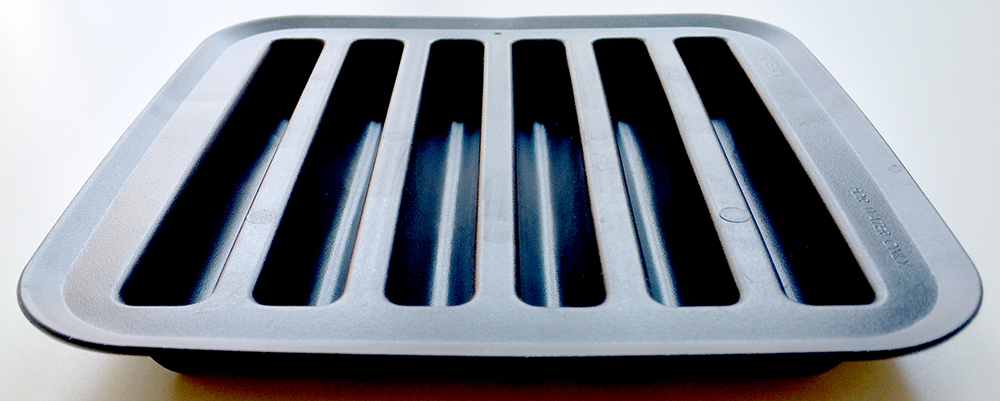
IKEA has ice trays for making ice in unusual shapes. The photos below show one of the ice trays that makes long thin ice cubes. But in this case, they should be called not “cubes” but ice sticks I guess. Anyway, when I saw them, I thought they were cool objects, and since I wasn’t sure what they were at first, I started wondering what they might be. This is one side, which you would fill with water to make ice sticks.
IKEA Ice Tray (side A) for Proximity Thinking Example

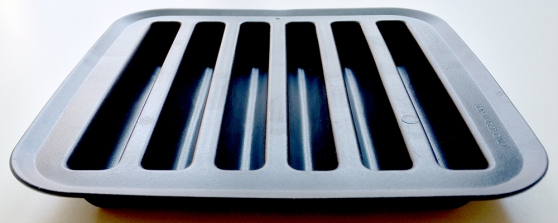
This is the other side. It’s the bottom in relation to the water-filling side, but in some of the ways I’ve used these objects, I’ve come to think of the side shown below as the top! I may add more photos/video later to show some of the ways I’ve repurposed these ice trays, but I describe them in the mind map farther down this page.
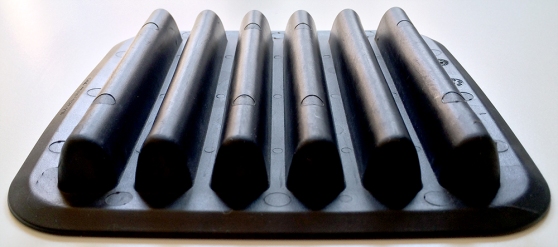
IKEA Ice Tray (side B) for Proximity Thinking Example

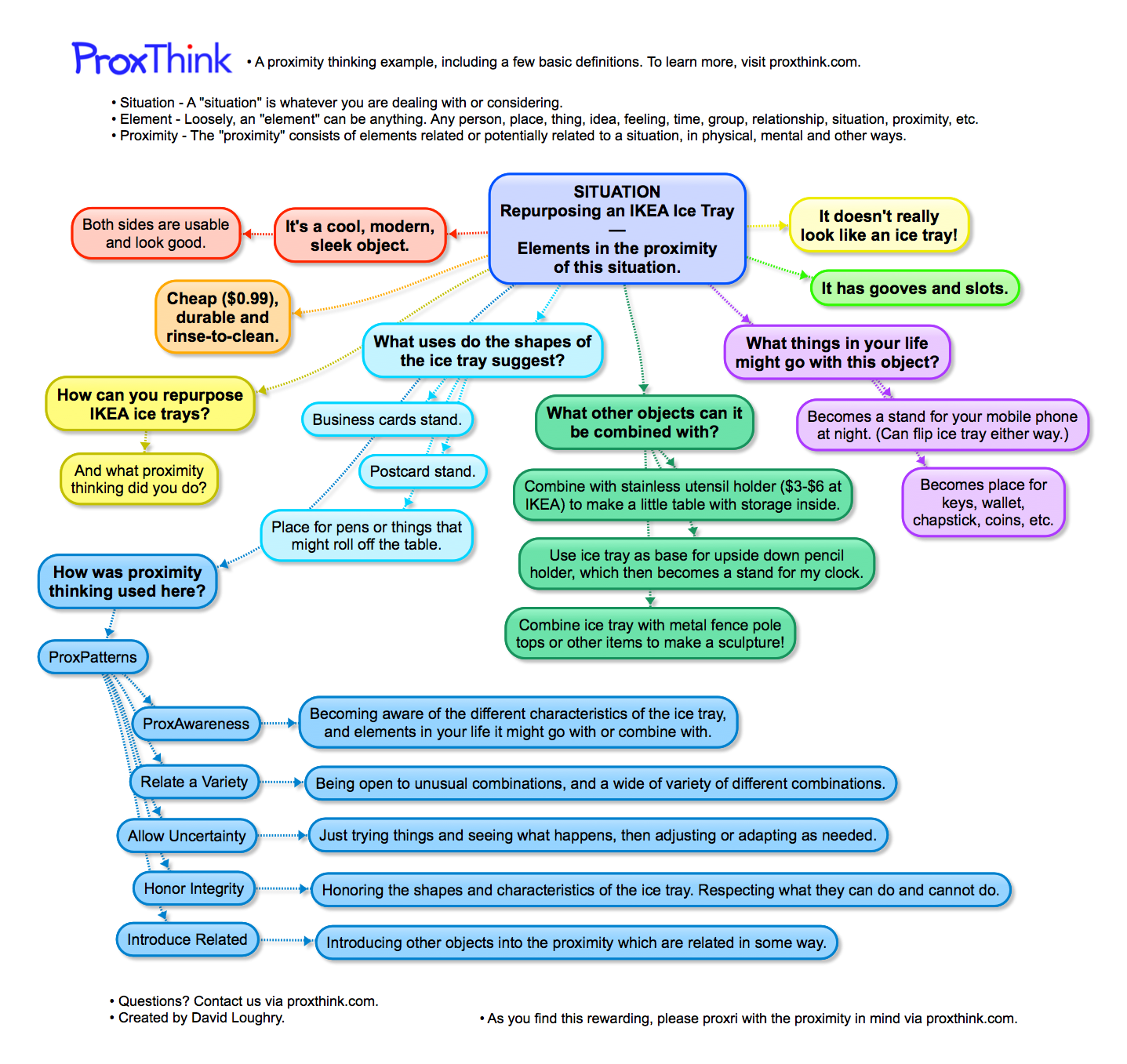
The mind map below explores this situation. It describes some ways to repurpose these ice trays, and shows how some proximity thinking was used. Click the image below to open it full-size. Once open, you can zoom it even larger.
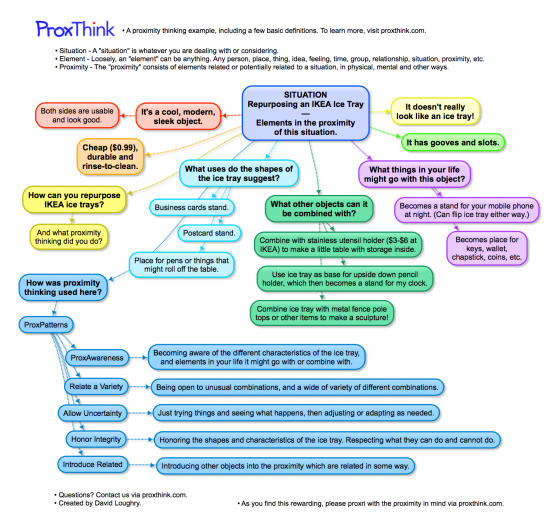
Repurposing an IKEA Ice TrayNOTE — THE REST OF THIS PAGE IS BASICALLY JUST FOR SEARCH ENGINES.
Since search engines can’t index the text in an image, I’m including the text from the graphic below. However, I’d recommend only looking at the graphic, as it will make a lot more sense. Also, WordPress is adding some blank lines in the outline below, and I can’t fix it. So please imagine there are no blank lines!

• A proximity thinking example, including a few basic definitions. To learn more, visit proxthink.com.
• Situation – A “situation” is whatever you are dealing with or considering.
• Element – Loosely, an “element” can be anything. Any person, place, thing, idea, feeling, time, group, relationship, situation, proximity, etc.
• Proximity – The “proximity” consists of elements related or potentially related to a situation, in physical, mental and other ways.

  • SITUATION
    Repurposing an IKEA Ice Tray

    Elements in the proximity
    of this situation.

    • It’s a cool, modern,
      sleek object.

      • Both sides are usable
        and look good.
    • Cheap ($0.99),
      durable and
      rinse-to-clean.
    • It doesn’t really
      look like an ice tray!
    • It has gooves and slots.
    • What uses do the shapes of
      the ice tray suggest?

      • Business cards stand.
      • Postcard stand.
      • Place for pens or things that
        might roll off the table.
    • What things in your life
      might go with this object?

      • Becomes place for
        keys, wallet,
        chapstick, coins, etc.
      • Becomes a stand for your mobile phone
        at night. (Can flip ice tray either way.)
    • What other objects can it
      be combined with?

      • Combine with stainless utensil holder ($3-$6 at
        IKEA) to make a little table with storage inside.
      • Combine ice tray with metal fence pole
        tops or other items to make a sculpture!
      • Use ice tray as base for upside down pencil
        holder, which then becomes a stand for my clock.
    • How can you repurpose
      IKEA ice trays?

      • And what proximity
        thinking did you do?
    • How was proximity
      thinking used here?

      • ProxPatterns
        • ProxAwareness
          • Becoming aware of the different characteristics of the ice tray,
            and elements in your life it might go with or combine with.
        • Relate a Variety
          • Being open to unusual combinations, and a wide of variety of different combinations.
        • Allow Uncertainty
          • Just trying things and seeing what happens, then adjusting or adapting as needed.
        • Honor Integrity
          • Honoring the shapes and characteristics of the ice tray. Respecting what they can do and cannot do.
        • Introduce Related
          • Introducing other objects into the proximity which are related in some way.

• Questions? Contact us via proxthink.com.
• Created by David Loughry.
• As you find this rewarding, please proxri with the proximity in mind via proxthink.com.